Iran secretly executes aerospace researcher Erfan Shakourzadeh after torture-tainted espionage case
Hengaw – Monday, May 11, 2026
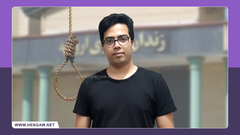
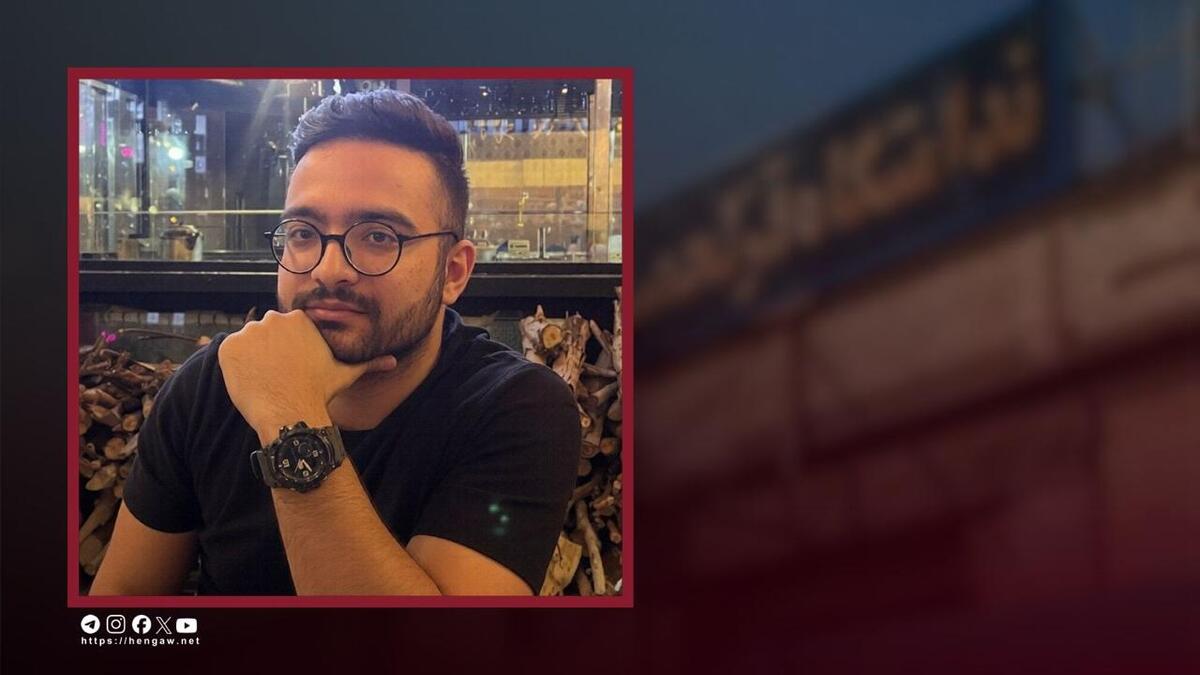
Iranian authorities have secretly executed Erfan Shakourzadeh, a 29-year-old political prisoner, satellite technology researcher, and top-ranked aerospace engineering graduate student at Iran University of Science and Technology, at Ghezel Hesar Prison in Karaj following nearly two years of detention on espionage-related charges.
According to information received by Hengaw Organization for Human Rights, the execution was carried out in secret at dawn on Monday, May 11, 2026, at Ghezel Hesar Prison in Karaj.
Shakourzadeh, whose execution had previously been suspended, was removed from his ward at Evin Prison in Tehran on May 7, 2026, under the pretext of a “meeting with judicial officers” and transferred to solitary confinement at Ghezel Hesar Prison for the implementation of his sentence. His execution was carried out without prior notice to his family and while he was denied a final visit. Judiciary-affiliated Mizan News Agency later claimed that he had been accused of “collaboration with the CIA and Mossad.”
Born in 1997, Shakourzadeh was a graduate of electrical engineering from the University of Tabriz and the top-ranked master’s student in aerospace engineering at Iran University of Science and Technology. He was arrested by the Intelligence Organization of the Islamic Revolutionary Guard Corps (IRGC) in February 2025 and reportedly subjected to nine months of severe physical and psychological torture in solitary confinement in order to extract forced confessions.
In a note published from prison prior to his execution, Shakourzadeh wrote:
“I am Erfan Shakourzadeh, one of the few elites who chose not to emigrate... I was arrested on fabricated espionage charges and, after eight and a half months of torture and solitary confinement, was forced into a false confession. Do not let another innocent life be taken in silence.”
The researcher, who worked in the field of satellite constellation control and positioning systems, had been accused by security agencies of transferring scientific information related to satellite projects to foreign intelligence services. The allegations were never proven in a fair trial with access to an independent lawyer. His death sentence had recently been upheld by Iran’s Supreme Court.
Hengaw Organization for Human Rights considers the secret execution of this academic elite figure, who was subjected to torture and prosecuted through a fabricated security case, a clear example of a state crime and a state-sponsored killing.