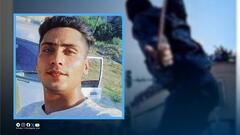
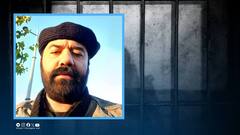
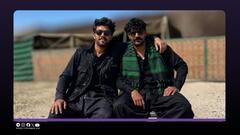
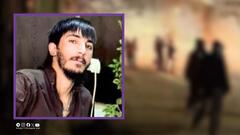
Latif Karimi shot dead in Ilam; authorities seek to distort reality
Hengaw - Sunday, January 4, 2026
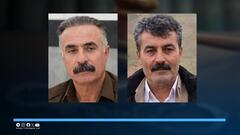
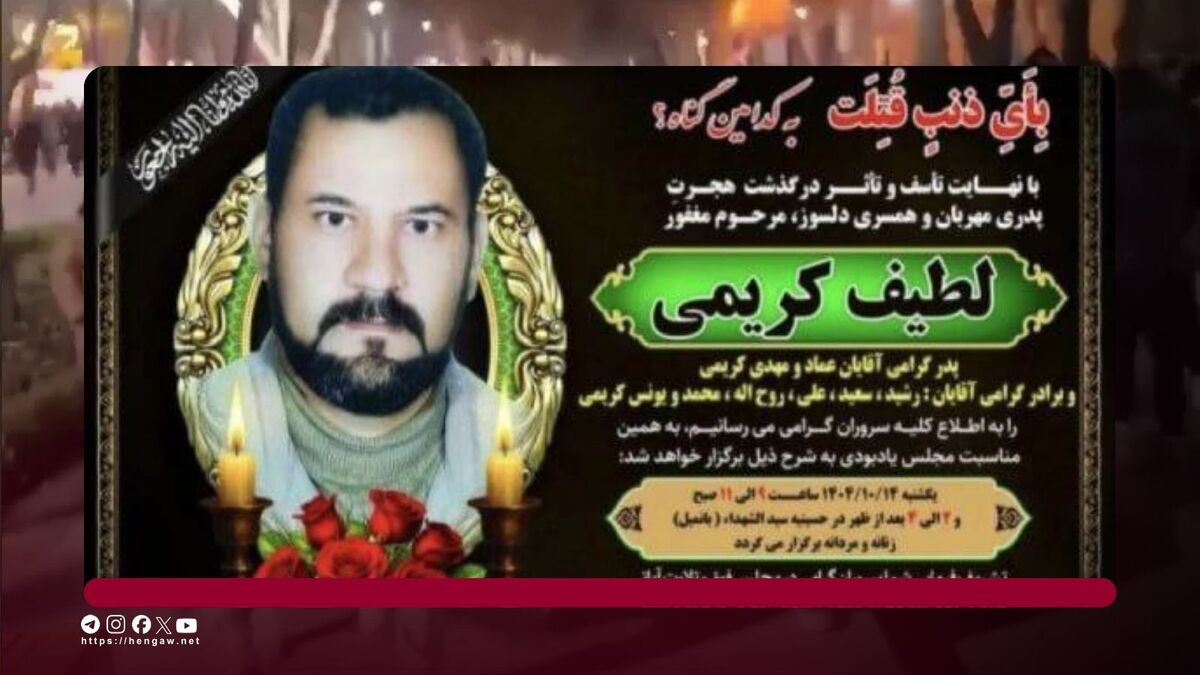
During public protests in Ilam’s Malekshahi, Latif Karimi, a Kurdish man and retired brigadier general, was shot dead by Iranian government forces while among demonstrators. In the aftermath, state institutions moved quickly to reshape the narrative, portraying him as a member of government forces allegedly killed by protesters. However, his son has publicly rejected this claim, stating that his father was killed directly by government forces.
According to information received by Hengaw Organization for Human Rights, Karimi, a resident of Malekshahi, was killed on Saturday, January 3, 2026, after government forces opened direct fire on protesters in the city.
Eyewitnesses and informed sources told Hengaw that Karimi was present at the demonstration when forces of the Islamic Revolutionary Guard Corps opened direct fire. He was struck by live ammunition while standing among the crowd.
Emad Karimi, his son, wrote on his personal Instagram account that his father was killed by government forces, adding: “My father’s only ‘crime’ was telling them not to shoot at the people.”
Despite this, state media and outlets linked to security institutions circulated images of Karimi and claimed that he had been killed “during clashes with protesters.” Accounts obtained by Hengaw directly contradict this version.
Witnesses say Karimi was among demonstrators, was shot by IRGC forces, and later died from his injuries after being transferred to Imam Khomeini Hospital in Ilam.
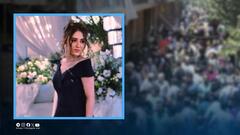
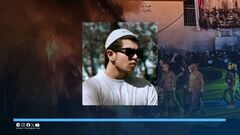
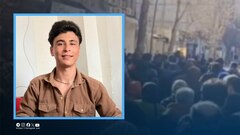
Similar patterns have been documented in other recent cases. In the deaths of Amirhesam Khodayarifard and Ali Azizi, who were killed during the ongoing protests in Kuhdasht and Harsin, authorities again sought to portray the victims as affiliated with government forces and to attribute their deaths to protesters. Subsequent evidence showed that both were killed directly by government forces using live ammunition.
In previous years, Iranian state institutions responding to protests across the country have paired widespread violence with systematic efforts to appropriate the identities of those killed and to present them as pro-government figures. This practice is widely understood as an attempt to obscure responsibility for the killing of protesters, deny state violence, and evade direct accountability for the actions of government forces against civilians.