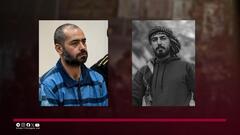
Iran secretly executes Ebrahim Dolatabadi six days after sentencing
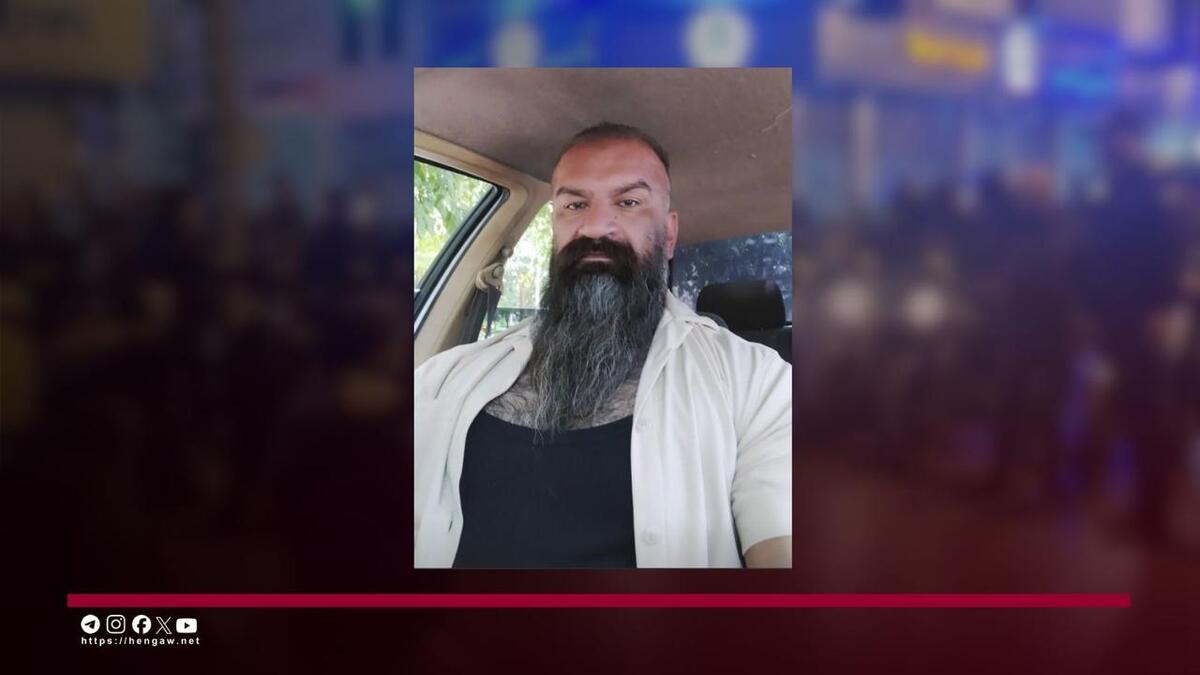
Hengaw – Monday, May 4, 2026
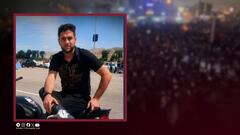
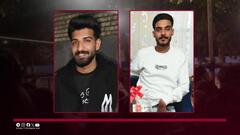
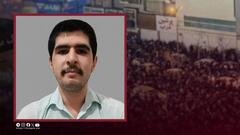
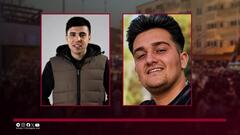
Iranian authorities have secretly executed Ebrahim Dolatabadi, a political prisoner detained during the January 2026 protests in Mashhad, at Vakilabad Prison in the city, according to information obtained by Hengaw Organization for Human Rights.
Based on information received by Hengaw Organization for Human Rights, Dolatabadi’s execution was carried out at dawn on Sunday, May 3, 2026. One day later, Mizan News Agency, the official website of Iran’s judiciary, confirmed the execution. He is the eleventh person arrested during the January protests whose death sentence has been carried out.
Sources told Hengaw that no credible evidence was presented against Dolatabadi and that his judicial proceedings lacked transparency and due process. They said his sentencing and execution were effectively a form of “sacrifice” intended to determine the fate of two of his brothers, who are also imprisoned.
Ebrahim Dolatabadi was the son of Ali Dolatabadi, a disabled veteran of the Iran-Iraq war who died last year. He was also the father of two children aged 9 and 14.
His 14-year-old son, Iman Dolatabadi, was also arrested during the protests alongside Ebrahim’s two brothers, Vahid Dolatabadi and Esmail Dolatabadi.
Hengaw has learned that Iman was recently released from Mashhad Juvenile Detention Center, while Vahid and Esmail remain imprisoned in Vakilabad Prison.
Ebrahim Dolatabadi was arrested during the January 2026 protests in Mashhad’s Tabarsi Square. His death sentence was issued on Monday, April 27, 2026, by Judge Gholamreza Akbari-Moghadam of Branch 1 of the Revolutionary Court of Mashhad on charges of “waging war against God” (moharebeh) and “leading demonstrations.”
The sentence was carried out only six days after it was issued. Following sentencing, he had been transferred to Ward 6-1, designated for death row prisoners, inside Vakilabad Prison.
Hengaw Organization for Human Rights condemns the execution of Ebrahim Dolatabadi as a state-sanctioned killing and an act of political retaliation targeting the families of protesters.
Hengaw stresses that carrying out his execution without credible evidence of guilt and through a hasty, opaque judicial process represents a flagrant violation of the right to life and internationally recognized standards of due process and fair trial.