Supreme Court upholds death sentences of two brothers, another January protester
Hengaw – Saturday, July 25, 2026
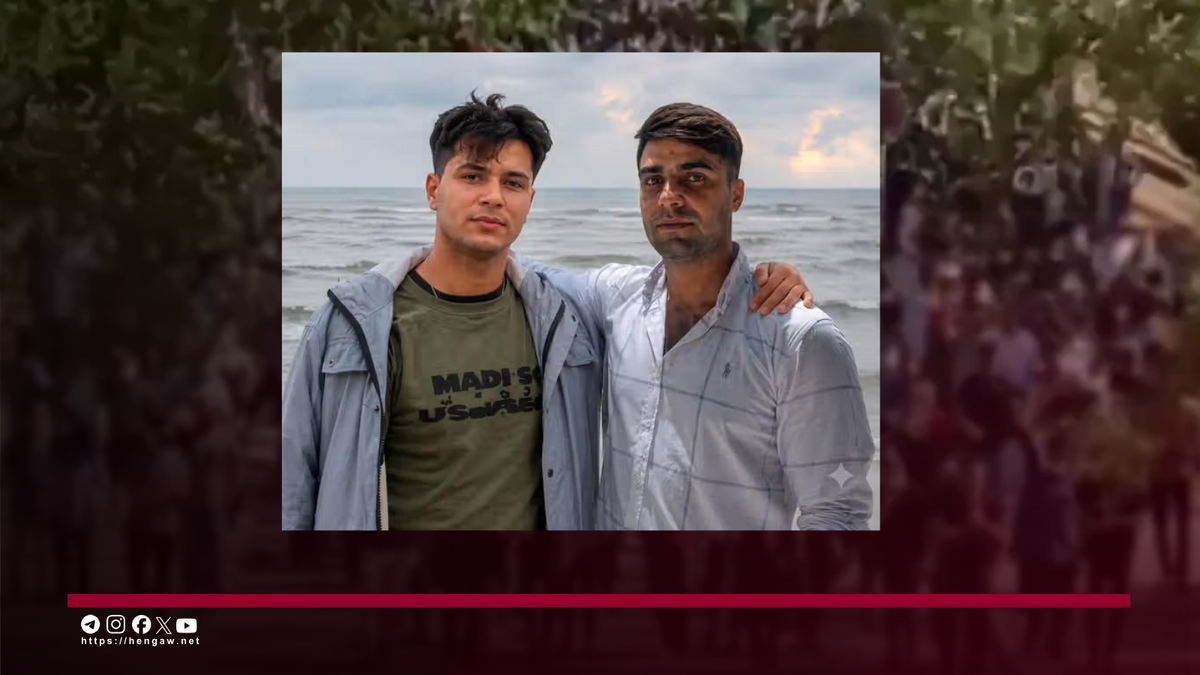
Iran's Supreme Court has upheld the death sentences of three men arrested during the January 2026 protests in Isfahan, including brothers Akbar Arabzadeh and Mehdi Arabzadeh, raising concerns over the risk of their execution.
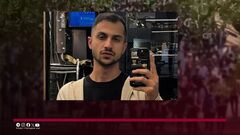
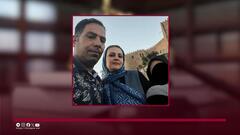
According to information received by the Hengaw Organization for Human Rights, the Supreme Court upheld the death sentences of Akbar Arabzadeh, 29, and Mehdi Arabzadeh, 25, two brothers from the city of Ziar in Isfahan Province who are held at Dastgerd Prison.
The brothers were arrested at their workplace, a vehicle repair shop in Isfahan's Chamran district, on January 9, 2026, and were transferred to Dastgerd Prison after interrogation.
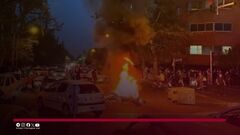
Informed sources told Hengaw that they were convicted of "enmity against God" (moharebeh) and "setting fire to a Basij building." The charges, which resulted in their death sentences, were brought without any credible supporting evidence and were based solely on the testimony of several Basij members, whose accounts their relatives reject as false.
No transparent information has been made public about the judicial proceedings or court hearings in their case, and they were denied access to legal counsel of their own choosing throughout the proceedings.
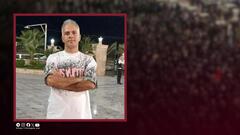
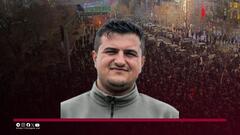
In a separate case, Mehran Seyedzadeh, another January protest detainee, was sentenced to death by Branch One of the Isfahan Revolutionary Court on the charge of "participation in the killing of two Basij members" during the protests. The Supreme Court also upheld his death sentence.
Seyedzadeh was arrested at his home along with his half-brother. During the raid, he pushed one of the security officers down a staircase while attempting to escape, causing the officer to suffer a head injury.
He was held in incommunicado detention for the first three months after his arrest, without any contact with his family. During his detention, government agents tortured him to extract forced confessions, breaking his right arm and two of his teeth. He was also denied access to legal counsel throughout the judicial process.