Five Kurdish political prisoners remain in legal limbo amid renewed risk of death sentences
Hengaw – Saturday, July 4, 2026
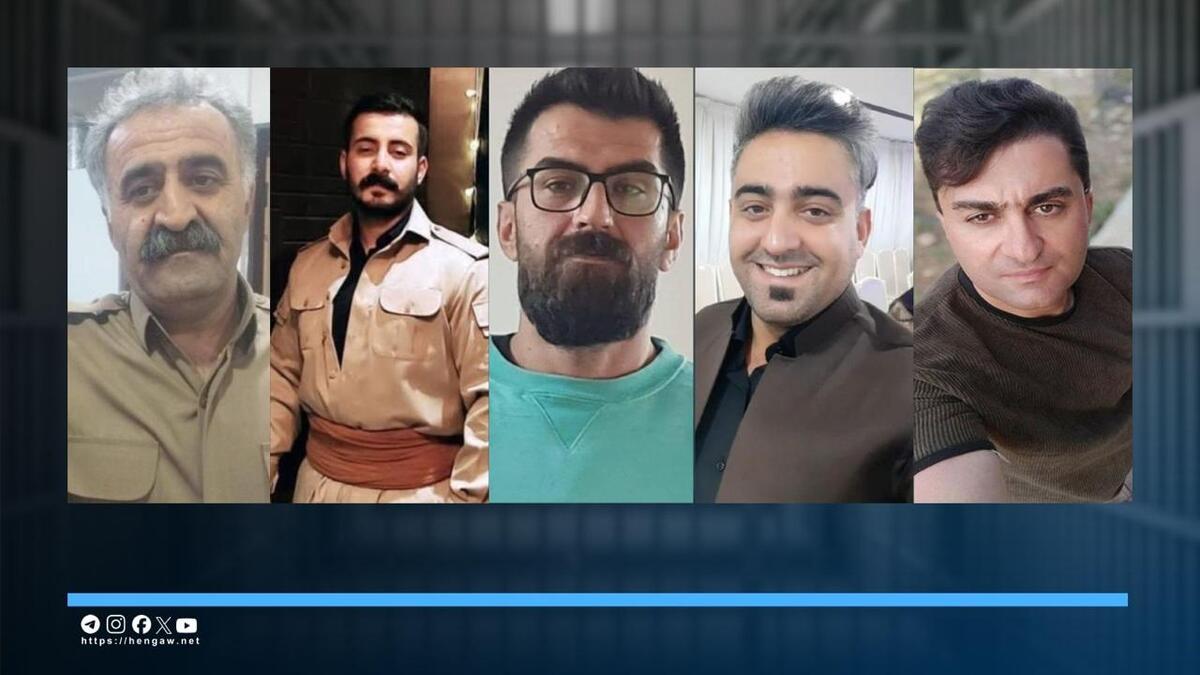
More than 37 months after their arrest, five Kurdish political prisoners from Bukan detained in connection with the Woman, Life, Freedom (Jin, Jiyan, Azadi) movement remain in prolonged legal limbo despite the annulment of their death sentences. Amid Iran's escalating use of capital punishment, concerns are mounting that they could once again face execution.
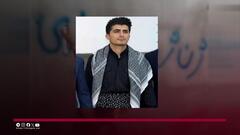
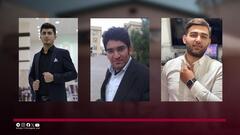
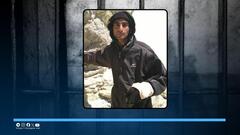
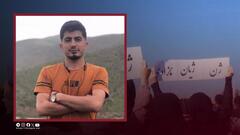
According to information received by the Hengaw Organization for Human Rights, Rezgar Babamiri, 42, Pezhman Soltani, 30, Kaveh Salehi, 40, and Soran Qasemi, 28, remain imprisoned at Urmia Central Prison while awaiting a retrial. Tayfour Babamiri, 47, another defendant in the same case, has since left Iran.
Their continued detention exceeds the limits established under Article 242 of Iran's Code of Criminal Procedure, which caps pretrial detention at two years for offenses punishable by death and one year for all other offenses.
Under Note 1 of Article 242, once those statutory limits expire, courts must impose a new bail order that the defendant is reasonably able to post. The law does not permit continued detention solely because a defendant cannot afford bail. Issuing proportionate and attainable bail is therefore a legal obligation of the court.
The prisoners' combined 12 death sentences were overturned by Branch 39 of the Supreme Court after it found that the judge who issued the original verdict lacked the legal authority to do so and that the court which tried the case lacked territorial jurisdiction over the alleged offenses. The case was referred to the Revolutionary Court in Mahabad for retrial, and the ruling was formally communicated to the prisoners' families on October 25, 2025.
The Supreme Court also cited multiple substantive and procedural flaws, including deficiencies in the investigation, jurisdictional errors, defects in the indictment, violations of due process, and serious doubts as to whether the legal elements of the charges had been established.
Branch 1 of the Revolutionary Court in Urmia had convicted the five prisoners on charges of "baghi" (armed rebellion) and "moharebeh" ("waging war against God"). Qasemi, Salehi, and Soltani were each sentenced to death three times, Rezgar Babamiri received two death sentences, and Tayfour Babamiri was sentenced to death once. Each was also sentenced to 15 years in prison on charges of "membership in terrorist groups," resulting in a combined prison sentence of 75 years.
Eight other defendants in the same case—Javanmard Mam Khosravi, Ahmad Mamehzadeh, Salar Daghdar, Siamak Aini, Hemin Kermanj, Jalil Moloudi, Hossein Hosseinzadeh, and Savareh Azizzadeh—received lengthy prison terms and fines on charges including "membership in rebel groups," "cooperation with hostile states," and "acting against national security." Another defendant, Salahoddin Ahmadi, was acquitted. However, the case remains open pending further review and correction of the charge listed in the indictment.
The defendants were arrested several months after the Woman, Life, Freedom (Jin, Jiyan, Azadi) movement in connection with the protests. They were subjected to enforced disappearance for several months, during which they were tortured and coerced into making forced confessions.
Following their arrests, the political prisoners were held for months in security detention facilities without access to legal counsel, medical care, family visits, or telephone contact with their relatives.