Iran executes Naser Bakrzadeh and Yaqoub Karimpour in secret on charges of "spying for Israel"
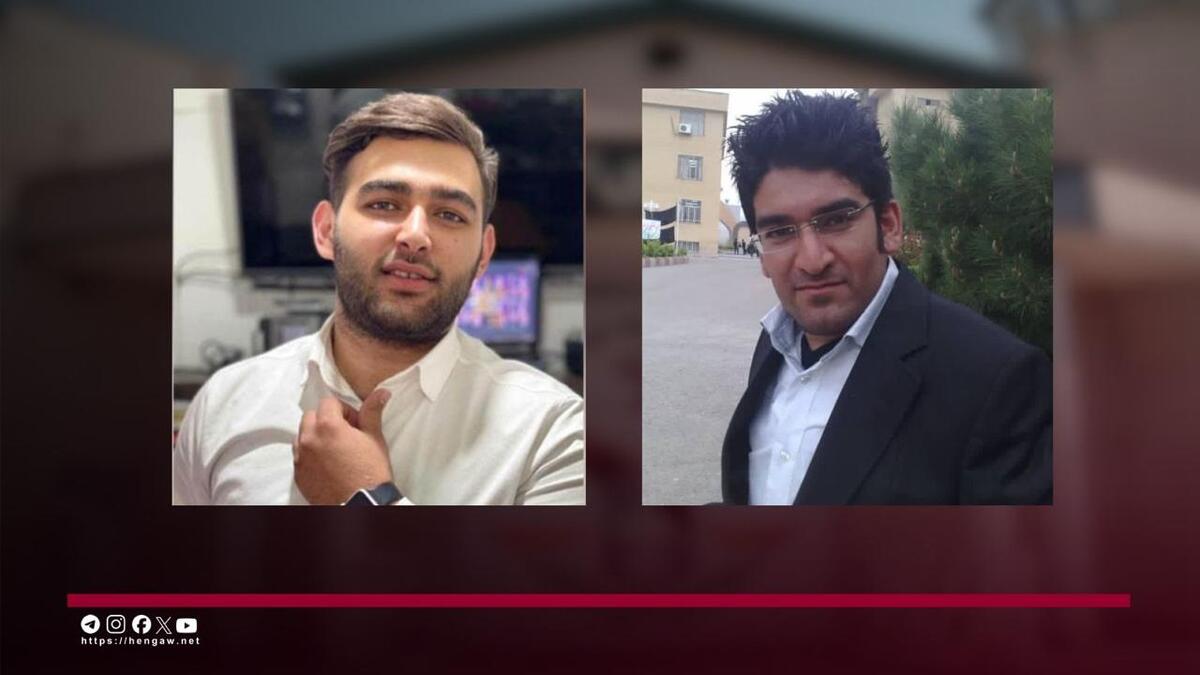
Hengaw – Saturday, May 2, 2026
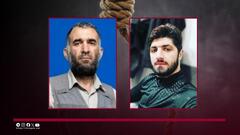
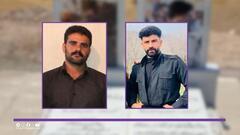
Naser Bakrzadeh, a 26-year-old Kurdish political prisoner, and Yaqoub Karimpour, a Turkish man and follower of the Yarsan faith, have been executed in secret after being convicted on charges of “spying for Israel.”
According to information received by Hengaw Organization for Human Rights, the executions were carried out at dawn today at Urmia Central Prison. State-affiliated Mehr News Agency has officially confirmed the executions.
The two prisoners had been removed from their wards under heavy security measures and transferred to solitary confinement under pretexts such as “transfer to forensic medicine” and “meeting with sentence enforcement officials.” Hengaw had warned of the imminent risk of their execution following their sudden transfer.
Profiles and legal proceedings
Naser Bakrzadeh – A 26-year-old political prisoner from Urmia who had been sentenced to death by Branch 2 of the Revolutionary Court on charges of “spying for Israel.” His sentence was upheld for a third time by Branch 39 of the Supreme Court in an expedited process lasting only ten days and was formally communicated to him on April 25, 2026. During his detention, he was held at the Al-Mahdi detention facility, where he was subjected to severe torture to extract forced confessions.
Yaqoub Karimpour – A graduate in public law from Miandoab, a Turkish man and follower of the Yarsan faith, who was arrested during the 12-day Iran–Israel war. He was sentenced to death by Branch 1 of the Revolutionary Court in Urmia on charges of “corruption on earth” through “spying for Israel.” His sentence was upheld last month by Branch 9 of the Supreme Court. Security forces also detained his wife, Saboura Lotfi, in an apparent attempt to exert pressure on him.
Hengaw Organization for Human Rights considers the implementation of these sentences to constitute premeditated murder and a clear violation of all international standards of fair trial. The executions were carried out despite serious legal ambiguities in their cases, and confessions had been extracted under torture.
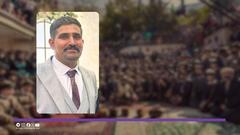
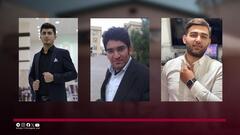
Hengaw has also expressed grave concern over the fate of Mehrab Abdollahzadeh, who was transferred to an undisclosed location at the same time as the two prisoners. The organization stresses that the international community must respond decisively to the new wave of political executions in Iran. The continuation of such executions amid regional tensions reflects the Islamic Republic’s use of the death penalty as a tool to instill fear among the population.