Supreme Court overturns death sentences of three January protest detainees
Hengaw – Friday, July 24, 2026
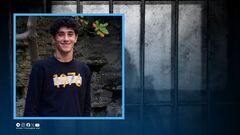
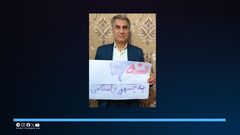
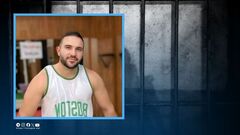
Iran’s Supreme Court has overturned the death sentences of Ali Fattah (Kamali), Behrouz Zamaninezhad, and his son, Kourosh Zamaninezhad, who were sentenced to death following their arrests during the January 2026 protests.
According to information received by the Hengaw Organization for Human Rights, Branch 26 of the Tehran Revolutionary Court, presided over by Judge Iman Afshari, sentenced the three men to death, a ruling the Supreme Court has now overturned.
Iranian security forces arrested Fattah in Tehran on January 12, 2026, during the protests, shortly after he had returned to Iran from Malaysia, where he held a student residence permit. Convicted in May 2026 on the charge of moharebeh, or "enmity against God," he was transferred to Greater Tehran Penitentiary several days after his arrest and moved to Qezel Hesar Prison in Karaj in late June.
Fattah has since been admitted to Razi Psychiatric Hospital (Aminabad) after developing serious mental health problems. He had previously received treatment at the same facility.
In a separate ruling, Branch 32 of the Supreme Court accepted a retrial request filed by Behrouz and Kourosh Zamaninezhad, both imprisoned at Greater Tehran Penitentiary. Their death sentences were overturned, and the case was referred to a parallel court for retrial.
In late April 2026, the Revolutionary Court sentenced the two men and their co-defendants, Bita Hemmati and her husband, Mohammadreza Majidi Asl, to death on charges of "conducting operational activities for the hostile government of the United States and hostile groups." The Supreme Court overturned the death sentences of Hemmati and Majidi Asl in late May 2026.
The court also sentenced each of the four defendants to five years in prison on the charge of "assembly and collusion against national security" and ordered the confiscation of all their property as a supplementary punishment.
Another co-defendant, Amir Hemmati, was sentenced to five years in prison on the charge of "assembly and collusion" and an additional eight months on the charge of "propaganda against the state."
Iranian security forces arrested all five defendants in Tehran on January 9, 2026. In its judgment, the Revolutionary Court cited their participation in the January 8 and 9 protests, chanting slogans, damaging public property, and claims that they threw incendiary materials and used an unidentified weapon. However, the ruling presented no specific or individualized evidence establishing the conduct or responsibility of each defendant.