Four Kurdish protesters, including a child athlete, sentenced to 10 years in prison
Hengaw – Wednesday, July 29, 2026
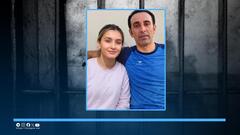
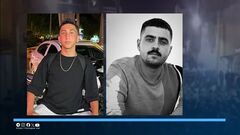
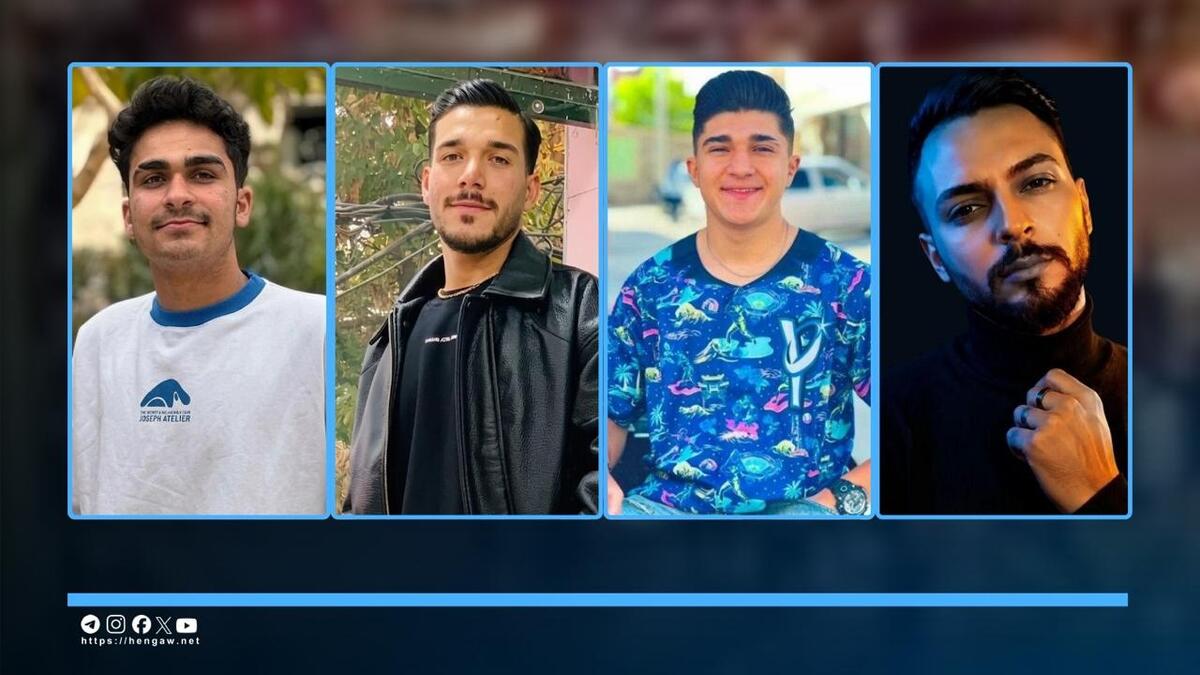
Iran's judiciary has sentenced four Kurdish protesters arrested during the January 2026 protests in Bojnord and Ashkhaneh, North Khorasan Province, to a combined 10 years in prison, flogging, and a fine of 50 million tomans. Those sentenced are Amirmehdi Naeimifar, 18, Mehdi Rostami, 25, Seyed Alireza Seyedi, 26, and Yasin Sarfaraz, a 17-year-old member of Iran's national boxing team.
Information received by the Hengaw Organization for Human Rights shows that the four were prosecuted in separate cases and convicted on a range of security and public order charges.
Branch 4 of the Bojnord Criminal Court sentenced Yasin Sarfaraz, a 17-year-old boxer and child defendant, to three years and three months in prison on the charge of "assembly and collusion against national security" following a single trial held without legal representation. The verdict was formally served on him in late July 2026.
Sarfaraz, from Bojnord, is a member of Iran's national boxing team and has won national, Asian, and international boxing titles. He was arrested on January 10, 2026.
Branch 1 of the Bojnord Revolutionary Court also sentenced Seyed Alireza Seyedi, from Ashkhaneh, to three years in prison and flogging on the charge of "assembly and collusion to commit crimes against the country's internal and external security." Security forces arrested him without a warrant on January 9, 2026. He was held for 10 days without access to a lawyer or family visits before being released on bail pending legal proceedings.
In another case, Branch 4 of the Bojnord Criminal Court sentenced Amirmehdi Naeimifar, a boxer and football player, to one year and six months in prison and a fine of 50 million tomans on charges of "disrupting public order" and "disobeying law enforcement officers." He was arrested on January 8, 2026, and released on bail after approximately three weeks in detention.
Branch 2 of the Bojnord Revolutionary Court sentenced Mehdi Rostami to two years in prison in late July 2026 on charges of "assembly and collusion against national security" and "propaganda against the state."
According to information received by Hengaw, Rostami was subjected to severe physical torture during detention and forced to sign coerced confessions while his hands and feet were bound. Judicial authorities also threatened to increase his prison sentence if he appealed the verdict.
All four were denied access to an independent lawyer throughout their arrest, interrogation, and judicial proceedings.