Mahmoud Shaddel and Mostafa Alipour, arrested during January protest sentenced to prison and flogging
Hengaw – Saturday, August 1, 2026
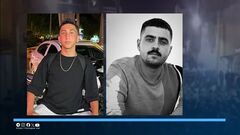
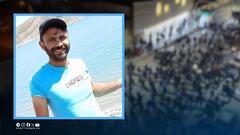
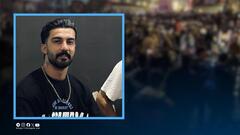
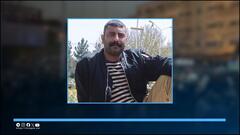
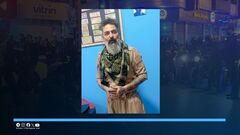
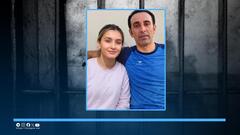
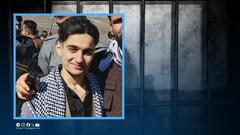
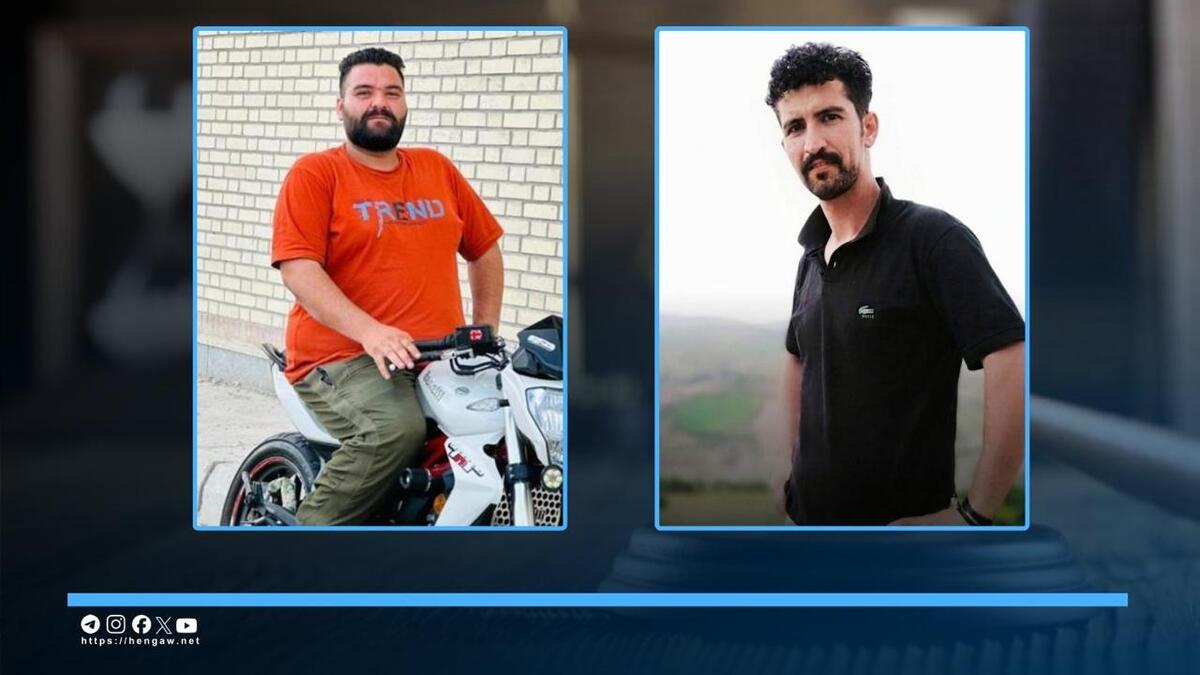
Mahmoud Shaddel and Mostafa Alipour, two Kurdish men arrested during the January 2026 protests, have been sentenced by the Iranian judiciary to a combined total of seven years, two months and one day in prison, as well as 74 lashes.
According to information obtained by the Hengaw Organization for Human Rights, Mahmoud Shaddel, a 30-year-old motocross champion from Ashkhaneh in North Khorasan province, was sentenced by a branch of the Bojnord Revolutionary Court, presided over by Judge Jafar Hashemi, to three years in prison on charges of “assembly and collusion to commit crimes against national security” and “propaganda against the state.”
The court warned Shaddel that if he appealed the verdict, his sentence would be increased.
Shaddel was arrested during the January 2026 protests and released several days later. During his arrest, Iranian security forces opened fire on his vehicle. He was subjected to torture while in detention in an attempt to extract a forced confession, including having his toenails pulled out. Despite the abuse, he refused to confess.
In a separate two-part case, Mostafa Alipour, a 32-year-old Kurdish man from Bojnord, was sentenced to a combined total of four years, two months and one day in prison, along with 74 lashes.
He was sentenced by Branch 1 of the Bojnord Revolutionary Court, presided over by Judge Izanlou, to three years, six months and one day in prison, and by Branch 104 of the Bojnord Criminal Court to an additional eight months in prison and 74 lashes.
Sources familiar with the case said Alipour’s court hearing was held in a single online session, and the verdict was communicated to him orally.
Alipour was arrested on February 8, 2026, and released on bail after spending 40 days in detention. He was tortured while in custody.
During the January 2026 protests, Alipour was wounded by shotgun pellets fired by Iranian security forces. Many of the pellets were surgically removed, while others later emerged from his body after becoming infected during his detention.