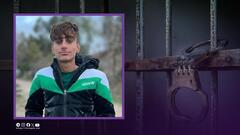
Rasul Yadyar remains detained after five months in legal limbo
Hengaw – Thursday, May 7, 2026
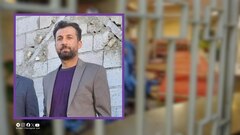
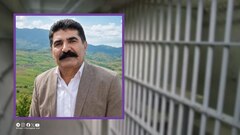
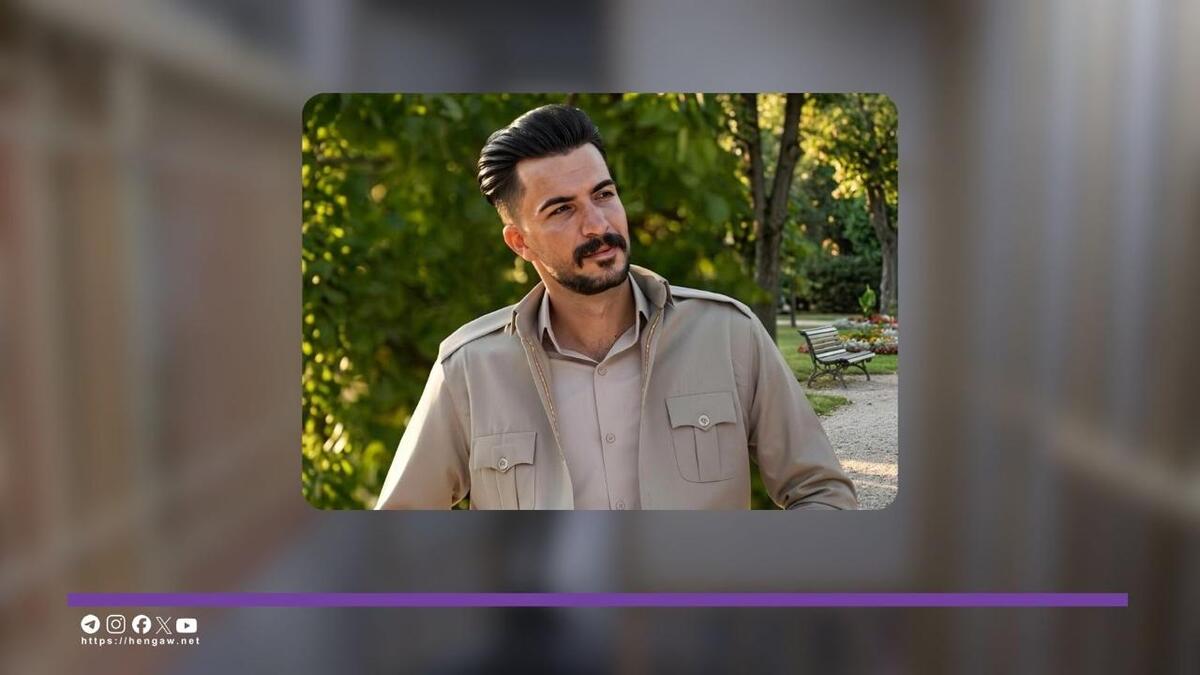
Rasul Yadyar, a Kurdish man from Bukan, has remained in detention for five months as Iranian security agencies continue to block his release on bail despite the absence of any proven charges against him. He is currently being held in legal limbo at Bukan Central Prison, while reports indicate that he was subjected to severe physical torture during his detention.
According to information received by Hengaw Organization for Human Rights, the Bukan Intelligence Department and the city’s prosecutor, Ali Zahedi, have deliberately obstructed efforts to secure Yadyar’s temporary release, despite the lack of evidence supporting any charges against him.
Hengaw has also learned that Yadyar’s personal vehicle, which had been impounded inside the compound of the Bukan Intelligence Department, was destroyed after Israeli military fighter jets struck the agency’s building and surrounding compound during the war. The relevant authorities have reportedly refused to provide compensation for the damage.
Rasul Yadyar is married and originally from the village of Gok Tapeh in Bukan. He currently resides in the village of Nachit and has been detained since Tuesday, December 16, 2025.
Sources told Hengaw that Yadyar was subjected to brutal torture during interrogations at the Bukan Intelligence Department detention facility. Several of his teeth were broken, and he sustained serious injuries to his hand, nose, and jaw. Despite the severity of his condition, he was transferred to the prison infirmary only briefly before being returned to detention without completing medical treatment.
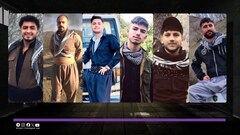
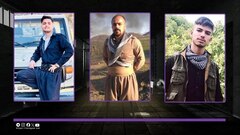
Three of Yadyar’s brothers, Naser Yadyar, 38, Musa Yadyar, 26, and Hamzeh Yadyar, 25, were also arrested during a raid carried out by Intelligence Department forces on the evening of Wednesday, February 11, 2026. After spending two months in detention, they were temporarily released on bail on April 12, 2026.