Baha’i adherent Navid Zarrehbin Irani remains in prolonged pretrial detention after 168 days
Hengaw – Friday, July 3, 2026
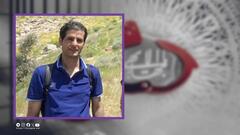
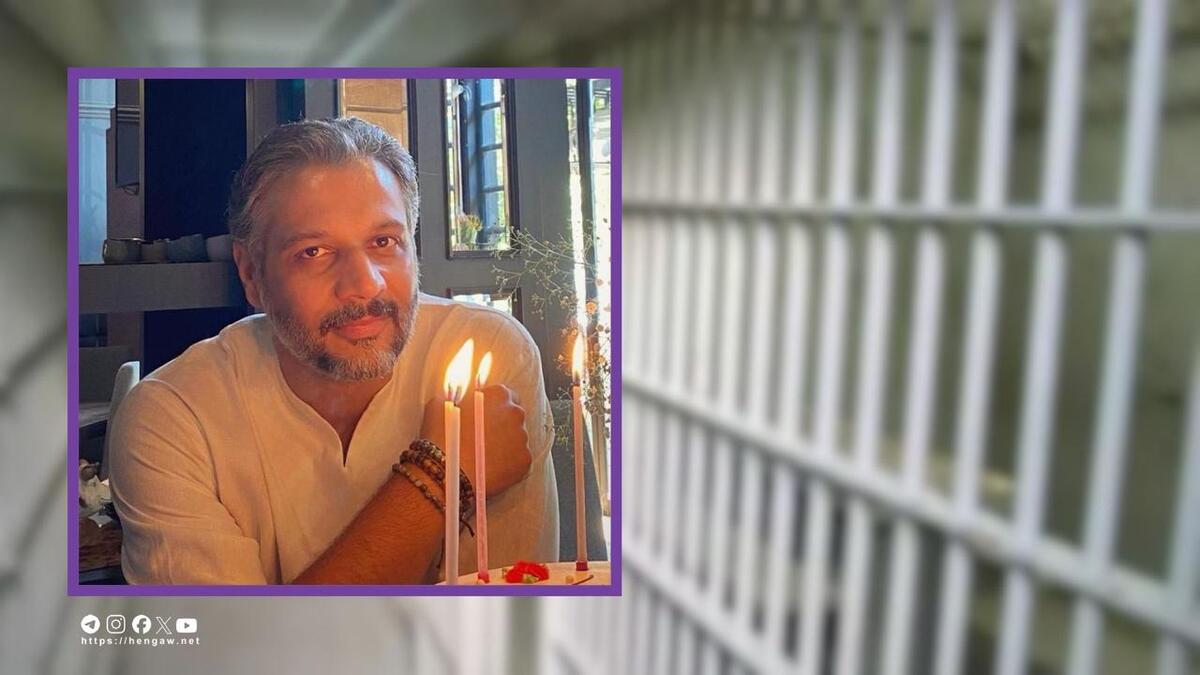
Navid Zarrehbin Irani, a Baha’i photographer from Mashhad, has remained in pretrial detention for 168 days (more than five and a half months). He continues to be held under harsh conditions in Vakilabad Prison, while the Iranian judiciary has refused to accept bail for his temporary release.
According to information obtained by the Hengaw Organization for Human Rights, Zarrehbin Irani was transferred to the Public and Revolutionary Prosecutor’s Office in Mashhad for his final interrogation and to present his final defense on Tuesday, July 1, 2026. However, interference by security agencies prevented any change to his detention status.
Navid Zarrehbin Irani was arrested on the morning of Friday, January 16, 2026, after Intelligence Department agents raided his home in the presence of his teenage son. He spent the first 40 days of his detention under continuous interrogation at the agency’s detention facility before being transferred to the quarantine ward of Vakilabad Prison in Mashhad.
His temporary detention order has been renewed every month since his arrest. Judicial authorities have justified the repeated extensions by claiming that the Ministry of Intelligence has not yet submitted its final report to the court handling the case, a situation that underscores the extensive influence of security agencies over the judicial process.
Since late April 2026, Zarrehbin Irani has been held in Ward 1-6 of Vakilabad Prison without a final verdict. Although the ward is designated for political, ideological, and security-related prisoners, individuals serving lengthy sentences, including prisoners sentenced to death, are also held there in violation of the principle of separating prisoners according to the nature of their offenses.
According to informed sources, while he was held in the prison’s quarantine ward, Zarrehbin Irani was repeatedly subjected to punitive treatment by prison officials because of his strong social relationships and humanitarian character. On at least two occasions, he was transferred to severely overcrowded cells with very limited facilities in an apparent effort to isolate him from other detainees.