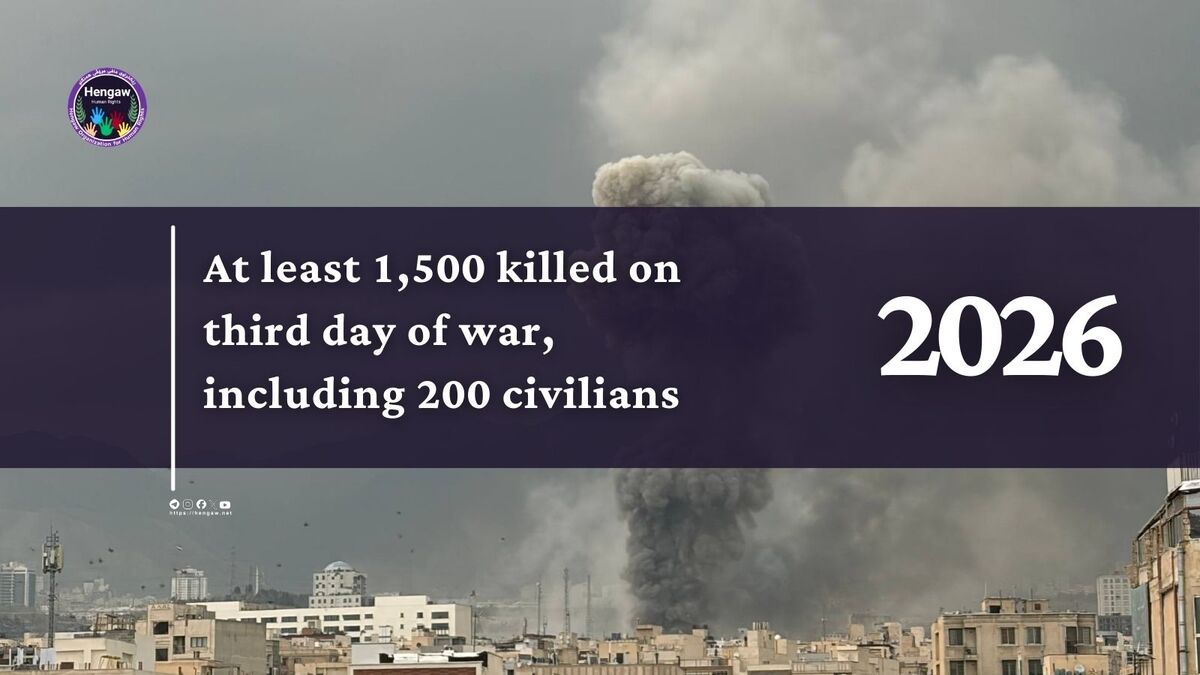
At least 1,500 killed on third day of war, including 200 civilians
Hengaw – Monday, March 2, 2026
As the war between the United States, Israel, and the Islamic Republic of Iran enters its third day, field findings and documentation by Hengaw Organization for Human Rights indicate heavy casualties among Iranian government forces and a growing number of civilian victims.
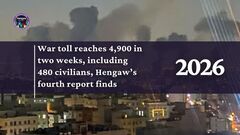
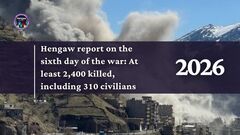
According to verified data confirmed by Hengaw, at least 1,500 people have been killed so far, including 200 civilians and 1,300 members of Iran’s military forces. These figures are being compiled amid severe internet disruptions across Iran, with access to various cities repeatedly cut off for extended hours throughout the day and night.
Breakdown of casualties and geographic scope of attacks
Based on data collected by Hengaw’s Statistics and Documentation Center, military and government facilities in 150 cities across 22 provinces have been targeted by air and missile strikes.
The targets include bases of the Islamic Revolutionary Guard Corps (IRGC), Basij centers, military airports, missile sites, police stations, judicial institutions, Intelligence Department news offices, army barracks, and special forces headquarters.
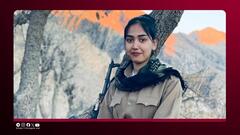
The highest number of military casualties has been recorded in Tehran, Kermanshah (Kermashan), West Azerbaijan (Urmia), East Azerbaijan, and Kurdistan (Sine).
Civilian casualties and damage to residential areas
Hengaw expresses deep concern over the rising number of civilian deaths and confirms that the highest number of civilian fatalities has been recorded in Hormozgan province.
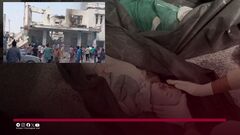
According to documented evidence, a significant number of those killed were elementary school girls at “Shajareh Tayyebeh” primary school. In addition to Hormozgan, civilian deaths, including several children, have been recorded in Tehran, Razavi Khorasan, Qazvin, Alborz, Kermanshah, Kurdistan, West Azerbaijan (Urmia), and East Azerbaijan.
Administrative and residential buildings located near military and security institutions have also sustained serious damage in the airstrikes, resulting in major service disruptions.
Despite the ongoing wartime conditions, the Islamic Republic has not initiated evacuation measures for residential areas located near military and security facilities. Civilians are instead attempting, in a spontaneous and uncoordinated manner, to protect themselves and relocate to comparatively safer areas.
Underreporting and contradictions in official figures
On the third day of the war, the Iranian Red Crescent Society announced that total casualties stand at 555, without distinguishing between military and civilian victims.
Data recorded by Hengaw indicate that this figure forms part of a deliberate policy of underestimation and concealment by the authorities.
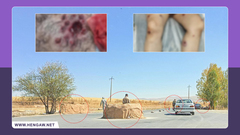
Field investigations show that security institutions have refrained from publishing accurate data on military casualties, particularly in cities across Kurdistan. In the limited cases where figures have been released, the numbers appear significantly lower than the documented realities.
Hengaw Organization for Human Rights reiterates the urgent need for transparency in identifying victims and reporting casualty figures. The organization stresses that all parties involved in the conflict are obligated under international conventions to protect civilian lives during armed hostilities.
Hengaw once again calls on international bodies to closely monitor civilian casualties and, in light of the Islamic Republic’s concealment policies, to firmly compel all parties to uphold their responsibility to safeguard civilians.