Three protest detainees face 'national security' charges in Tehran
Hengaw – Saturday, February 14, 2026
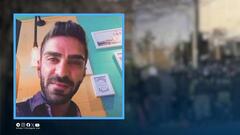
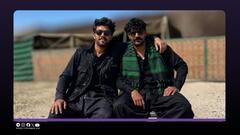
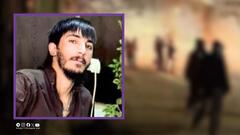
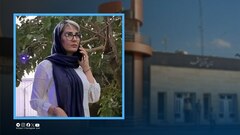
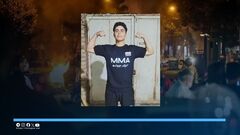
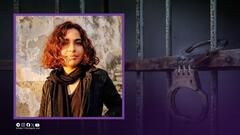
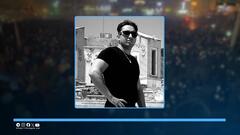
Ehsan Hosseinipour Hesarlu, Matin Mohammadi, and Erfan Amiri, three individuals detained during the recent protests, faced serious national security and criminal charges at the first hearing of their case before the Tehran Revolutionary Court. Since their arrest, they have been denied fundamental rights, subjected to severe torture, and forced to make coerced confessions.
According to information received by Hengaw Organization for Human Rights, the three were arrested during the December 2025 protests and were charged at their initial court session with “acting against internal security,” “assembly and collusion against national security,” “participation in the killing of two individuals,” “deliberate arson of Seyyed al-Shohada Mosque in Pakdasht,” and “destruction of public property.”
The hearing was held despite reports that the detainees have been denied basic rights since their arrest, including access to a lawyer of their choice and contact with their families. They were subjected to intense pressure and torture during detention and compelled to provide forced confessions.
The judiciary-affiliated website Mizan claimed the three were identified as “main elements” in the attack and arson of Seyyed al-Shohada Mosque in Pakdasht County, alleging the fire led to the deaths of two young men identified as “Ali Akbar” and “Taha.”
During the court session, the prosecutor’s representative accused the three of “active presence in protests,” “assembly and collusion against national security,” “participation in murder,” “deliberate arson of Seyyed al-Shohada Mosque in Pakdasht,” and “carrying cold weapons and incendiary materials.” The prosecution cited confessions obtained from the defendants and reports by security agents as evidence.
The report further stated that the families of the deceased appeared in court as private plaintiffs and demanded the “maximum punishment” for the defendants. In numerous cases, however, security institutions have reportedly pressured families at the time of handing over the bodies of protest victims to describe their children as “martyrs” and to attribute responsibility for their deaths to protesters.
Further proceedings in the case have been postponed, and the date of the next hearing has not yet been announced.
The trial comes amid a broader crackdown following recent protests in cities across Iran, during which thousands have been killed, injured, or detained. Multiple reports have documented heavy sentences, including the death penalty and long prison terms, issued against protest detainees.
Hengaw Organization for Human Rights has previously warned that rushed trials, denial of access to independent legal counsel, and violations of fair trial standards in protest-related cases risk resulting in severe and unjust sentences.