Identities of twelve people killed in Isfahan confirmed
Hengaw – Friday, January 23, 2026
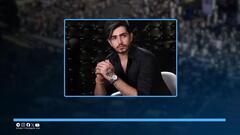
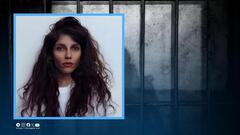
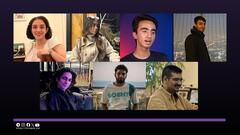
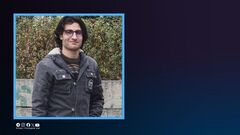
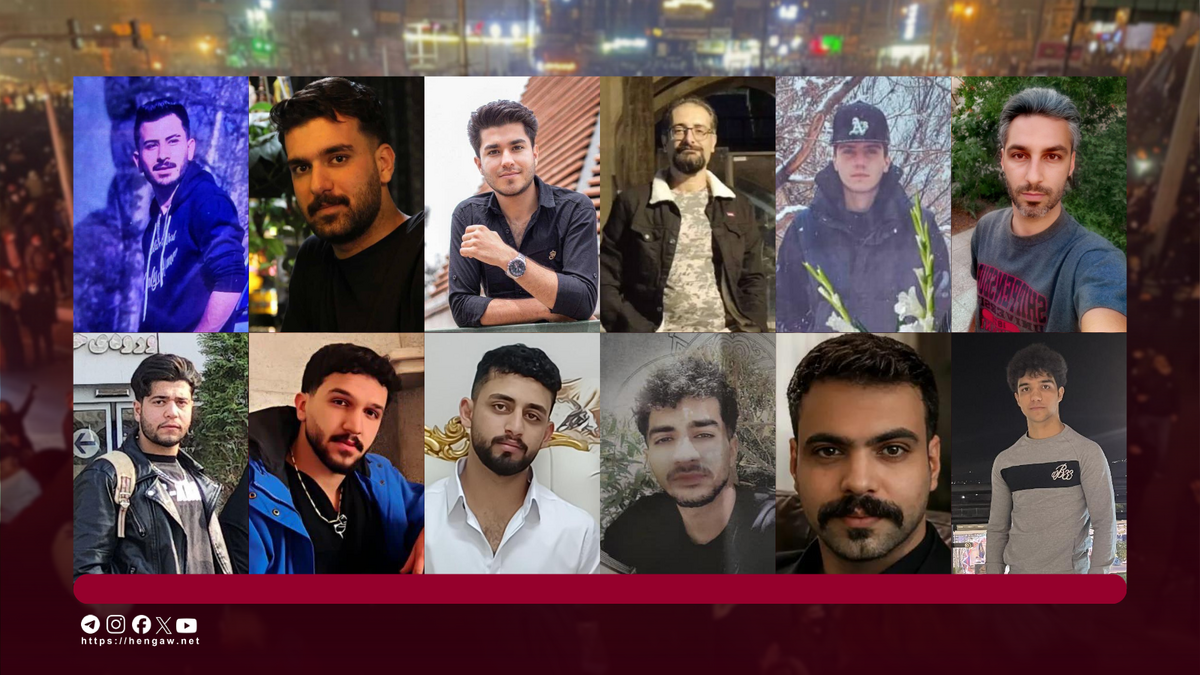
The identities of twelve individuals killed during the recent protests in Isfahan have been confirmed by the Hengaw Organization for Human Rights.
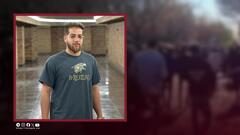
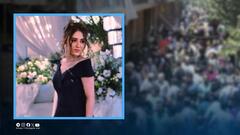
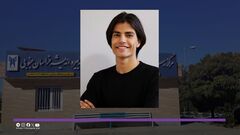
The victims have been identified as Amirreza Fathian, Masih Shahvardi, Soheil Zilabi, Hossein Rahimi, Mohsen Chitsaz, Mohammad-Hossein Mousavi, Pouria Hamzaei, Ali Estakhr, Alireza Kharbo, Alireza Yazdani, Alireza Mousavi, and Hamidreza Vatanjou. All were killed after being shot with live ammunition by Iranian government forces during demonstrations across the city.
Each case has been independently verified by Hengaw following extensive fact-checking and documentation.
Killings on January 8, 2026
Amirreza Fathian, a 40-year-old mining engineer from Isfahan, married, was shot in the heart by Iranian government forces using live ammunition during protests in the city. Sources told Hengaw that security agencies pressured his family to portray him as a “security martyr,” an attempt the family firmly rejected.
Masih Shahvardi, 19, from Isfahan, was killed after being shot with live ammunition by government forces during the protests.
Hossein Rahimi, 44, married and a resident of Isfahan, was shot in both legs while exiting his car near the Khaneh-ye Isfahan area, before reaching the protest site. He was transferred to Kashani Hospital, where government forces later raided the facility and shot him dead. His body was subsequently buried by authorities at Bagh-e Rezvan Cemetery.
Mohammad Hossein Mousavi, a 22-year-old barista from Shahreza, was shot and killed by government forces in front of his workplace.
Alireza Kharbo, a 20-year-old married athlete from Isfahan, was killed by direct gunfire from government forces during the protests.
Alireza Yazdani, 19, a web designer, programmer, and computer science student at Najafabad University originally from Falavarjan, was shot in the head by government forces. His body was withheld for one week before being released to his family and was buried at night under heavy security presence.
Hamidreza Vatanjou, a 21-year-old history student at Farhangian University of Isfahan, was killed by direct gunfire from government forces during the protests.
Killings on January 9, 2026
Soheil Zilabi, a 24-year-old resident of Yazdanshahr who had completed his compulsory military service less than three months earlier, was killed after being shot twice by Iranian government forces — once in the head and once in the leg.
Mohsen Chitsaz, 25, from Isfahan, was shot in the temple by Davoud Ghaffouri, identified as the Basij commander of Dastgerd. Sources told Hengaw that security agencies pressured his family to falsely claim he had been killed by “terrorists” and forced several religious institutions to be listed in his funeral announcement.
Pouria Hamzaei, a 20-year-old unmarried man from Isfahan, was shot in the shoulder by a sniper positioned on the rooftop of a National Bank building at Abshar Square. He was transferred to Sadoughi Hospital, affiliated with the Islamic Revolutionary Guard Corps (IRGC). During his hospitalization, authorities denied his family visitation. One week later, relatives were instructed to report to Bagh-e Rezvan Cemetery, where they discovered that Pouria had been executed with a final gunshot to the chest, while his shoulder wound had been treated and bandaged.
Ali Estakhr, a 26-year-old originally from Marvdasht, Fars Province, and a resident of Isfahan, was also killed by direct gunfire from government forces during the protest
Killing on January 11, 2026
Alireza Mousavi, 23, was shot at close range with pellet ammunition by forces of the Islamic Revolutionary Guard Corps (IRGC) on Basirat Street in Fuladshahr while he was alone.
According to information obtained by Hengaw, at least 50 pellets penetrated his body, causing catastrophic injuries to his spinal cord and heart, leading to his death.
Sources confirmed that Mousavi’s body was returned to his family on January 16, 2026, and he was buried under heavy security measures, with authorities imposing strict restrictions on funeral and mourning ceremonies.